


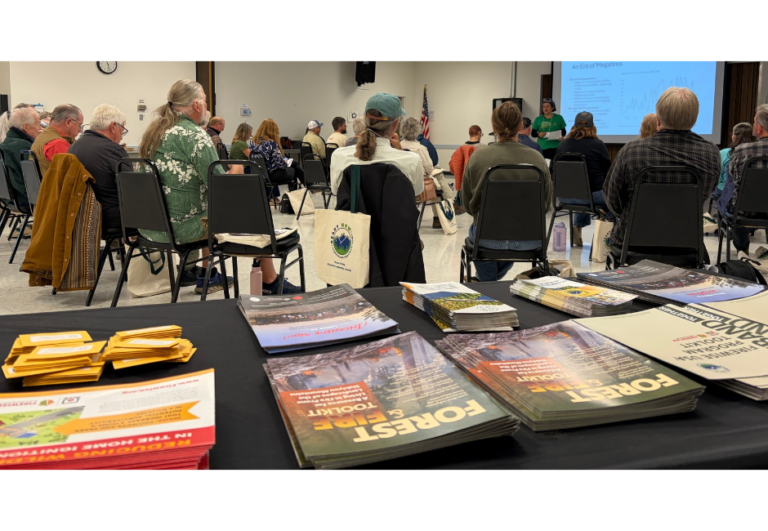
In October, Firebrand Resiliency Collective brought together resident leaders representing 50 Firewise USA® communities from across the Rogue Valley for our first Southern Oregon Firewise Leadership Summit & Learning Exchange. The gathering created space for community leaders to connect, share experiences, learn from one another, and strengthen the growing network of residents working to make their neighborhoods more wildfire resilient.
And what an inspiring group of people we had join us!
Representing communities ranging from rural watersheds to urban neighborhoods and manufactured home parks, these leaders are doing the hands-on work that makes wildfire resilience possible. They’re organizing neighbors, reducing hazardous vegetation, hardening homes, improving evacuation planning, connecting residents with resources, and building the relationships that help communities take action together.
Throughout the Summit, we heard examples of what community leadership can accomplish. From neighborhood cleanup days and shared equipment to emergency phone trees and coordinating with contractors to make mitigation work more accessible, communities are finding creative ways to turn shared concerns into collective action.
We also made space to talk honestly about the challenges. Keeping neighbors engaged, recruiting new leaders, accessing mitigation funding, and sustaining momentum year after year are familiar hurdles for many communities. Sharing these experiences helps leaders recognize that they aren’t facing these challenges alone—and that there is a lot to learn from the successes and lessons of their neighbors.
Resilience Happens at the Speed of Relationships
One message came through clearly throughout the gathering: wildfire resilience isn’t something that can simply be delivered to a community. It’s something we build together.
Public agencies, nonprofits, and resource providers play an essential role in supporting wildfire resilience. But lasting progress also depends on residents having the relationships, leadership, resources, and collective capacity to organize and take action within their own communities.
This is at the heart of Firebrand’s approach. We believe our mission is carried out through communities, not to them. Our role isn’t to arrive with all the answers or simply deliver a program and move on. It’s to help residents build the connections, access the resources, develop the leadership, and strengthen the local capacity needed to create lasting change.
That’s why opportunities for peer learning and connection matter so much. When residents can share what’s working, learn from others who have faced similar challenges, and build relationships with the people and organizations that can support their efforts, they become better equipped to keep moving forward.
We often say that resilience happens at the speed of relationships. The Summit was a powerful reminder of what that looks like in practice.
Growing a Stronger Network of Fire-Adapted Communities
Having 50 Firewise USA® communities join us at this summit was an exciting milestone for our region. It represents over one thousand households involved in the work, dedicated resident leaders, and neighbors who are building the capacity to prepare for and respond to wildfire together.
Each of these communities brings its own strengths, challenges, and ideas to the table. Together, they form a growing network of people who can learn from one another, share resources, and make progress that would be difficult to achieve alone.
Our work at Firebrand is to help nurture and strengthen that network. We want to see communities equipped not only to take action today, but to sustain their efforts and continue building resilience for years to come.
We’re grateful to every community leader who shared their time, knowledge, questions, and experiences at the Summit. We’re also thankful to our partners and sponsors, including OSU Extension, Pacific Power, Oregon State Fire Marshal, Josephine County Emergency Management, and the U.S. Forest Service, whose support helped make this learning exchange possible.
The connections made at the Summit didn’t end when the gathering did, and we hope they continue to grow into new ideas, shared projects, stronger partnerships, and communities that feel better equipped to face wildfire together.
Because no neighborhood should have to figure it out alone.
Could Your Neighborhood Become Firewise?
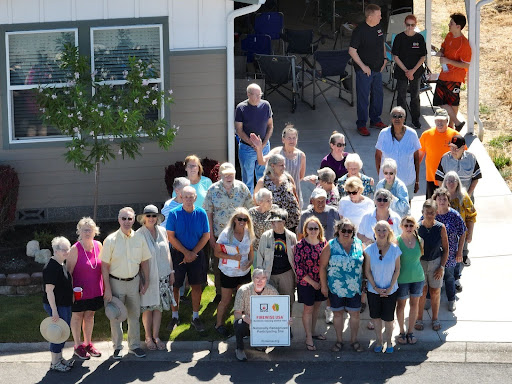
Whether you’re interested in starting a Firewise USA® community, getting your neighbors involved, or learning what steps your neighborhood can take, Firebrand is here to help.
Together, we can build stronger relationships, take meaningful action, and create more fire-adapted communities across our region.
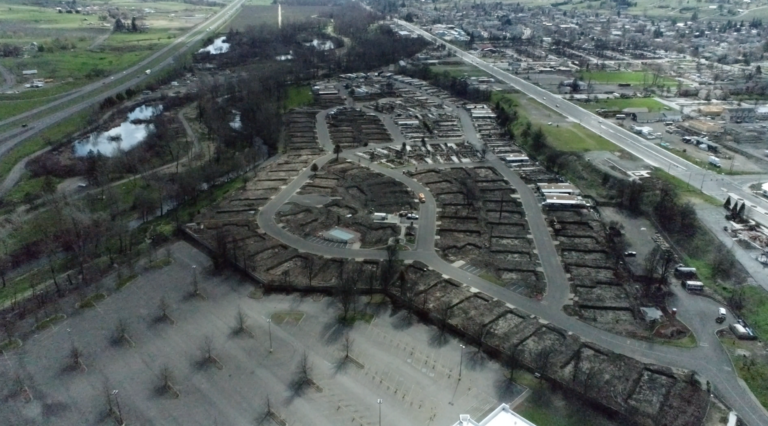
San Diego Tribune
“New San Diego Fire Prevention Rules Introduce “Zone Zero” Requirements for Homeowners in High-Risk Areas”
by David Garrick